The Blood Donation Process: What to Expect
Donating blood is simpler (and quicker) than most people expect. Here’s a clear, step-by-step look at how it usually goes—from walking in to walking out feeling like a hero
1. Registration
You’ll check in at the donation center and show a valid ID. If it’s your first time, you’ll fill out a short form with basic personal info. Returning donors usually just confirm their details.
2. Health Screening
Next comes a quick, private screening to make sure it’s safe for you to donate. This typically includes:
- A few questions about your health, travel, and lifestyle
- A finger-prick test to check hemoglobin (iron) levels
- A quick check of your blood pressure, pulse, and temperature
No stress—it’s fast and done by trained staff.
3. The Donation
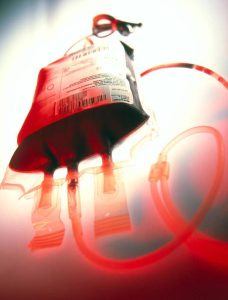
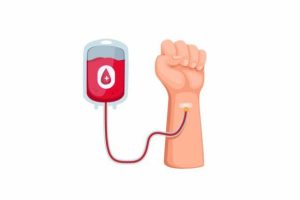
You’ll be guided to a comfy chair or bed. A staff member cleans your arm, inserts a sterile needle, and the donation begins.
- The actual blood draw usually takes 8–10 minutes
- You can relax, breathe normally, and even chat or scroll your phone
- About one pint (≈450 ml)of blood is collected
Most people say it feels like a quick pinch, then nothing much at all.
4. Rest and Refreshments
Once you’re done, the needle is removed and your arm is bandaged. You’ll rest for about 10–15 minutes and enjoy snacks and drinks to help your body recover. This part is non-negotiable—hydration matters
5. After You Leave
You’re encouraged to:
- Drink extra fluids for the rest of the day
- Avoid heavy lifting or intense exercise for a few hours
- Keep the bandage on for several hours
Most people feel totally normal right away, and your body replaces the donated blood quickly.