The Importance of Blood Donation: Saving Lives with Every Drop
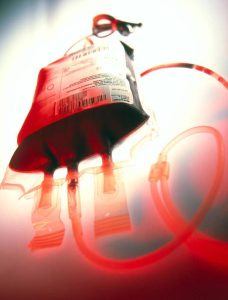
Every day, millions of people around the world depend on blood donations to survive. From accident victims and surgery patients to individuals battling cancer or chronic illnesses, donated blood is a lifeline that modern medicine cannot replace. Yet, despite the constant demand, blood shortages remain a global challenge. Understanding the importance of blood donation can inspire more people to step forward and help save lives—one drop at a time.
Why Blood Donation Is So Critical
Blood is essential for carrying oxygen, nutrients, and hormones throughout the body. In emergencies such as severe accidents, natural disasters, or childbirth complications, access to safe blood can mean the difference between life and death. Hospitals also rely heavily on donated blood for routine medical procedures, including surgeries, organ transplants, and treatments for conditions like anemia and leukemia.
Unlike many medical supplies, blood cannot be manufactured. It can only come from generous donors. Additionally, blood has a limited shelf life—red blood cells last about 42 days, while platelets last only five days—making regular donations absolutely essential.
Who Benefits from Blood Donations?
A single blood donation can help save up to three lives. Blood recipients include:
- Trauma and accident victimswho experience heavy blood loss
- Cancer patientsundergoing chemotherapy or radiation
- Surgical patients, including those having heart or organ transplant procedures
- Mothers and newbornsfacing complications during childbirth
- Individuals with chronic blood disorders, such as sickle cell disease or thalassemia
Blood donation supports people of all ages, backgrounds, and medical needs.
The Personal Benefits of Donating Blood
While blood donation is a selfless act, donors also experience benefits. Donating blood can:
- Help stimulate the production of new blood cells
- Include a basic health screening, such as checking blood pressure and hemoglobin levels
- Provide a sense of purpose and fulfillment from helping others
Most importantly, donors gain the knowledge that they’ve made a real, tangible difference in someone’s life.
Overcoming Common Myths and Fears
Many people hesitate to donate blood due to misconceptions. Some fear pain, weakness, or health risks. In reality, blood donation is a safe and simple process that usually takes less than an hour. The needle prick feels like a small pinch, and most donors return to normal activities the same day with minimal aftercare.
Modern blood donation centers follow strict safety and hygiene standards, ensuring a comfortable and secure experience for donors.
How You Can Make a Difference
Becoming a blood donor is one of the easiest ways to contribute to your community. Whether you donate once or regularly, your contribution matters. Encouraging friends, family, and coworkers to donate can further amplify the impact and help maintain a stable blood supply.
Conclusion
Blood donation is a powerful act of kindness that directly saves lives. Every drop donated represents hope, healing, and a second chance for someone in need. By choosing to donate blood, you become an essential part of the healthcare system—and a hero to those whose lives depend on your generosity.
Give blood. Save lives. Your single donation can create a lasting impact.